Retro Distressed Vintage
As an embroidery designer and product reviewer, I often find myself evaluating new designs with a critical eye—looking for versatility, clarity, and practicality. Retro Distressed Vintage is one such design that caught my attention. It’s a background graphic that brings a sense of nostalgia and worn charm to any project. But how does it hold up in real-world embroidery scenarios? Let’s dive into the details.
The First Impression
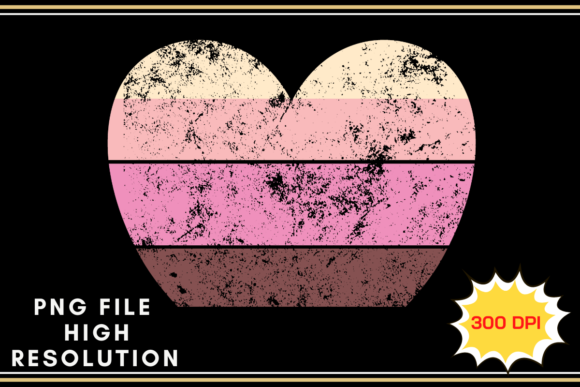
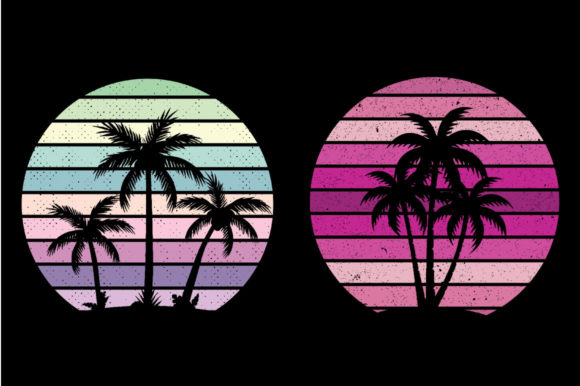
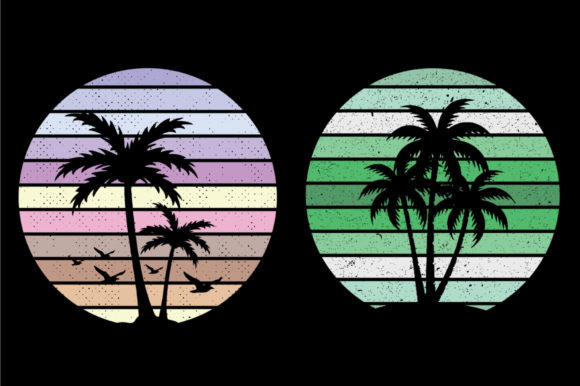
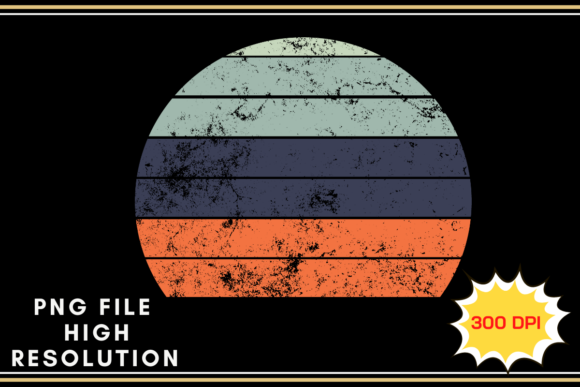
Retro Distressed Vintage immediately evokes a sense of aged elegance. The design features subtle textures, faded edges, and a vintage aesthetic that feels both authentic and adaptable. It’s not overly complex, which makes it ideal for a range of applications. The layout is clean, with enough detail to stand out without overwhelming the fabric or the viewer’s eye.
This design would naturally fit into projects that aim to convey a retro or handmade vibe—think custom apparel, personalized gifts, or boutique merchandise. Its visual personality is warm and inviting, making it perfect for items that are meant to be cherished rather than mass-produced.
Real-Life Embroidery Use Cases
I tested Retro Distressed Vintage on a few different fabrics and projects to see how it performed. On a cotton tote bag, it looked great—especially when paired with a contrasting thread color. The design didn’t require too much stitch density, which made it easy to embroider without causing puckering or distortion.
For a sweatshirt embroidery project, the design worked well as a background element. It added character without overshadowing the main text or logo. When used as an embroidered patch, it maintained its integrity and gave the finished product a unique, artisanal feel.
On baby clothes, the design was soft and non-intrusive. It’s important to consider how a design will look on delicate fabrics, and Retro Distressed Vintage handled that well. The texture didn’t feel harsh, and the colors were gentle enough for a nursery setting.
Where to Be Careful
While Retro Distressed Vintage is versatile, there are some situations where it might not perform as well. For example, on small hoop sizes, the design can feel cramped. If you’re working on a cap or a hat, you may need to adjust the design or use a larger hoop to maintain clarity.
Textured fabrics like denim or canvas can also pose challenges. The design’s details may not show up as clearly, especially if the fabric has a heavy weave. Thin or stretchy fabrics could cause the stitches to pull or distort, so using the right stabilizer is crucial.
Dark fabrics can make the design less visible, so testing with different thread colors is a good idea. Similarly, if you’re planning to use this on layered garments or curved surfaces, you’ll want to ensure the design isn’t too dense or intricate for those areas.
Impact on Visual Appeal and Value
Retro Distressed Vintage adds a layer of uniqueness to any project. It enhances the visual appeal by introducing a vintage feel that many customers find appealing. This can increase the perceived value of your handmade product or commercial item, making it more attractive to buyers who appreciate authenticity and character.
When used correctly, the design can elevate the professionalism of your work. It gives your products a polished yet personal touch, which is essential for building customer trust and brand consistency. Whether you’re an Etsy seller or a small shop owner, this design can help differentiate your offerings from generic, mass-produced alternatives.
It also plays well with other design elements. You can pair it with simple text or logos to create a balanced composition. For holiday or wedding gifts, it adds a nostalgic flair that resonates with many buyers.
Practical Designer Notes
If you’re considering using Retro Distressed Vintage in your embroidery projects, here are a few tips to keep in mind:
- Test the design on scrap fabric before committing to a full project. This helps you understand how it will look on your chosen material.
- Check thread color contrast, especially if you’re using dark fabrics. A lighter thread can make the design pop more.
- Review the stitch density to ensure it’s appropriate for your project. Too much density can cause stiffness or distortion.
- Confirm the hoop size needed for your machine. Some designs may require a larger hoop to maintain clarity.
- Inspect small details closely. If the design has fine lines or intricate patterns, make sure they’ll translate well in embroidery.
- Try black and white mockups to see how the design looks without color. This can help you decide on the best thread choices.
- Compare the design on light and dark backgrounds to see how it performs in different settings.
- Use the proper stabilizer for your fabric type. This prevents puckering and ensures a smooth finish.
- Check whether the design is suitable for both personal and commercial use. Confirm licensing terms before selling finished items or digital products.
Final Thoughts
Retro Distressed Vintage is a solid choice for designers looking to add a vintage flair to their work. It’s versatile, easy to use, and works well across a variety of projects. While it requires careful consideration in certain situations, its overall performance and aesthetic appeal make it a valuable addition to any embroidery file collection.
Whether you're creating custom apparel, personalized gifts, or small business merchandise, this design offers a unique way to express creativity while maintaining professionalism. As long as you take the time to test and adapt it to your specific needs, Retro Distressed Vintage can become a go-to asset in your embroidery toolkit.