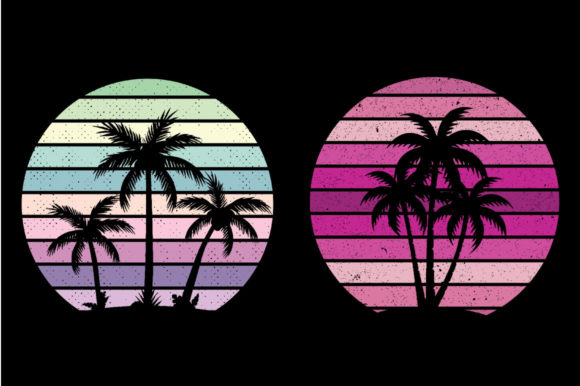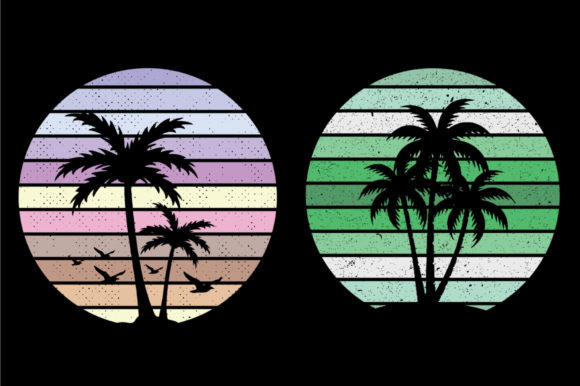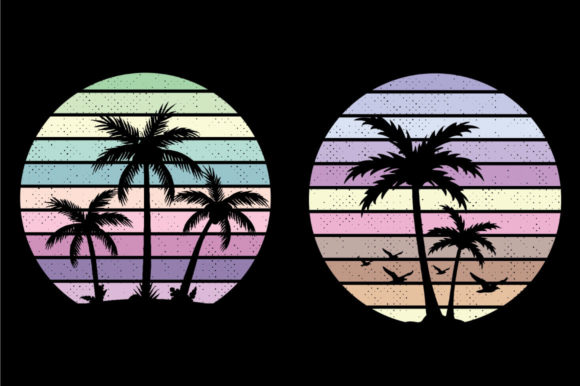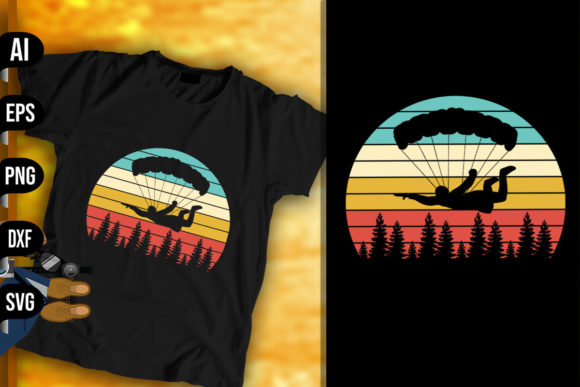
Vintage Retro Skydiving
As an embroidery designer and product reviewer, I’ve evaluated countless designs for real-world use. Vintage Retro Skydiving stands out as a nostalgic, high-impact design that could work well in a variety of projects—but it’s not without its nuances. Let me walk through how this design performs in practical embroidery situations, what to watch for, and where it truly shines.
The First Impression: A Nostalgic Visual Punch
Vintage Retro Skydiving immediately evokes a sense of adventure and retro charm. The design features bold lines, a vintage aesthetic, and a clear focal point that makes it instantly recognizable. It has a strong visual personality—perfect for projects that aim to make a statement or tell a story. The layout is clean but detailed enough to hold up under embroidery stitches, making it ideal for custom apparel, tote bags, or even decorative items like pillow covers.
The theme feels timeless, which is a big plus for small business owners looking to create products with broad appeal. Whether it’s for a boutique shop, Etsy listing, or craft fair booth, the design has a universal quality that can resonate with different audiences.
Real-World Embroidery Performance
When testing Vintage Retro Skydiving on different fabrics, I found that it works best on medium-weight materials like cotton t-shirts, sweatshirts, and tote bags. The design’s structure allows it to maintain clarity even when stitched at a moderate stitch density. However, it’s important to note that the design includes some fine details that may require careful attention during the embroidery process.
For example, if you’re planning to use it on a baby onesie or a delicate fabric, you’ll want to adjust your stabilizer and hoop size accordingly. Thin or stretchy materials can cause the design to shift or distort, so using a proper stabilizer is key. Similarly, if you’re working with dark fabric, you may need to adjust thread colors to ensure visibility and contrast.
This design also lends itself well to embroidered patches, aprons, and caps. The shape and scale are versatile enough to fit on curved surfaces, but again, testing on scrap fabric first is recommended to avoid any surprises.
Where to Use It Carefully
While Vintage Retro Skydiving is a strong design, there are certain scenarios where it may not perform as well. For instance, if you’re working with a small hoop size, you may find that some of the finer details get lost. The same goes for textured or stretchy fabrics, where the design might not lay flat or maintain its intended look after stitching.
Additionally, if you're planning to use it on a layered garment or a product that will be washed frequently, you’ll want to ensure that the stitching is secure and that the design won’t fray or fade over time. This is especially important for handmade products or personalized gifts that customers expect to last.
Another consideration is the design’s compatibility with different embroidery machines. While the file is likely compatible with most standard machines, always double-check the hoop size and stitch count before starting a project. If you’re unsure, test the design on a scrap piece of fabric first.
Impact on Visual Appeal and Customer Perception
Vintage Retro Skydiving has a strong visual presence that can elevate the value of any finished product. When stitched correctly, it adds a professional touch to custom apparel, holiday gifts, or commercial embroidery projects. Its retro vibe also makes it highly recognizable, which can help build brand consistency for small shops or Etsy sellers.
From a customer perspective, this design feels both nostalgic and modern, making it a great choice for personalized gifts or themed merchandise. It also has a high potential for engagement, as it’s visually interesting and can spark conversations about the design’s inspiration or meaning.
For creative entrepreneurs, this design offers flexibility. Whether you’re creating printable mockups, digital product previews, or physical items like phone cases and mugs, it can be adapted to fit a wide range of applications.
Practical Designer Notes
Here are a few key tips for working with Vintage Retro Skydiving:
- Test on scrap fabric first to see how the design looks on your chosen material and to identify any potential issues.
- Check thread color contrast to ensure the design stands out on different fabric backgrounds.
- Review stitch density to determine if adjustments are needed for specific projects.
- Confirm hoop size to avoid any limitations in how the design is stitched.
- Inspect small details to ensure they remain visible and intact after stitching.
- Test in black and white mockups to see how the design translates without color.
- Compare light and dark fabric backgrounds to ensure the design is visible in all settings.
- Use proper stabilizer for delicate or stretchy fabrics to prevent distortion.
- Confirm licensing before selling finished items or digital products to avoid legal issues.
These steps are essential for ensuring that Vintage Retro Skydiving meets your standards and those of your customers, whether you're creating handmade products, custom apparel, or commercial embroidery projects.
Final Thoughts: A Versatile Design with Room for Growth
Vintage Retro Skydiving is a solid choice for designers and small business owners looking for a nostalgic, high-impact design that can be used across multiple mediums. It has the potential to add value to a wide range of products, from tote bags and sweatshirts to baby clothes and holiday gifts.
However, its success depends on how well it’s executed in the embroidery process. With the right techniques, materials, and attention to detail, this design can become a standout element in any creative project. As with any machine embroidery design, it’s important to approach it with care and a focus on quality—because the final product speaks volumes to your customers.